

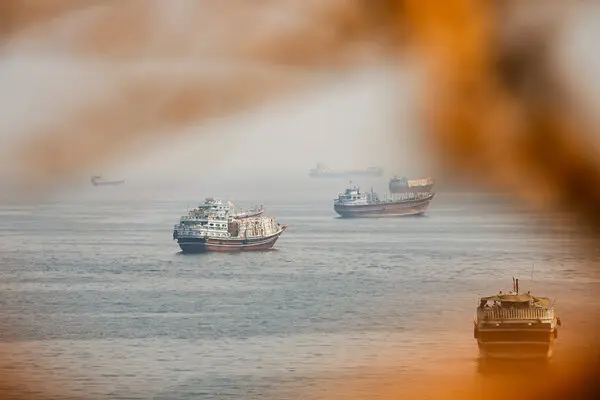
The US strikes Iran have reignited a dangerous military confrontation between Washington and Tehran after a period of relative calm.
The latest U.S. military operation began with a new wave of strikes against Iranian targets on September 1, 2026. According to U.S. Central Command, American forces targeted elements of Iran’s Islamic Revolutionary Guard Corps (IRGC), including air-defense systems, radar installations, maritime assets, mine-laying capabilities and communications facilities.
Iran responded with missile and drone attacks against U.S. forces and facilities in several countries across the Middle East, including Jordan, Bahrain, Kuwait and Iraq.
The renewed fighting has raised fears that the conflict could once again expand across the region, particularly because the Strait of Hormuz remains at the center of the confrontation.
What Happened When the US Struck Iran?
The United States launched a new wave of military strikes against Iranian targets on September 1, 2026.
U.S. Central Command said American forces attacked several categories of Iranian military infrastructure, including:
- IRGC command facilities
- Air-defense systems
- Radar sites
- Maritime assets
- Mine-laying capabilities
- Missile and drone launch infrastructure
- Communications facilities
The U.S. military said the operation was intended to reduce Iran’s ability to threaten American forces and commercial shipping in the region.
The strikes marked a renewed escalation after approximately a month without major direct U.S.-Iran military action.
Why Did the US Strike Iran?
According to the U.S. government and military, the latest strikes were prompted by Iranian actions that Washington considered threats to American forces and international shipping.
U.S. officials said Iran had attempted to attack or threaten commercial vessels in the Strait of Hormuz and had targeted American personnel in the region.
The United States therefore presented the latest operation as a response intended to protect its forces and keep the strategic waterway open to commercial shipping.
President Donald Trump also defended the strikes, saying they were justified and warning Iran against retaliating.
The situation subsequently became even more serious when Iran launched its own attacks.
What Did Iran Do After the US Strikes?
Iran did not remain silent after the American attacks.
Iranian forces launched missile and drone attacks against U.S. and allied positions across the Middle East.
Reports described attacks or attempted attacks involving:
- Jordan
- Bahrain
- Kuwait
- Iraq
- U.S. military positions
- Other regional targets
Several countries said their air-defense systems intercepted incoming missiles or drones.
Iran described its response as retaliation for the American attacks and warned that further U.S. military action could trigger additional Iranian strikes.
The result has been a rapidly escalating cycle:
U.S. strikes Iran → Iran retaliates → U.S. threatens further strikes → Iran warns of more retaliation.
That cycle is one of the biggest reasons governments around the world are concerned about a wider regional war.
What Did Trump Say About Iran?
President Donald Trump has taken a particularly hard line following the latest strikes.
Trump warned that if Iran retaliated against the United States, Washington would respond with even greater force.
In a statement reported after the attacks, Trump said another, even larger attack was waiting if Iran continued retaliating.
His comments have increased concern that the latest strikes may not be an isolated military operation.
Instead, the confrontation could develop into another extended period of U.S.-Iran attacks.
Where Did the US Strike Iran?
The latest U.S. attacks were focused on Iranian military and strategic targets, particularly in areas connected to Iran’s ability to operate around the Strait of Hormuz.
Reports identified strikes or explosions in several locations in southern Iran, including areas around:
- Bandar Abbas
- Jask
- Chabahar
- Konarak
- Minab
- Sirik
- Qeshm Island
The U.S. military has emphasized military targets, while Iranian authorities and media have reported damage and civilian casualties in some locations.
One particularly serious incident involved a reported U.S. strike in the Sirik area, where Iranian officials said a wedding gathering was hit.
Reports of the number of people killed have varied, and U.S. officials have not independently confirmed all Iranian claims. Reuters and other outlets have reported civilian casualties connected to the incident.
Were Civilians Killed in the US Strikes?
There have been reports of civilian deaths following the latest U.S. attacks.
Iranian authorities and state media reported that a strike hit a home hosting a wedding in southern Iran.
The reported death toll has varied between sources. Associated Press reported that five civilians were killed, while other reports initially gave different figures.
Because the conflict is ongoing and information from both governments is politically contested, casualty figures can change as investigations continue.
It is therefore important to distinguish between confirmed military claims and preliminary reports from either side.
Why Is the Strait of Hormuz So Important?
The Strait of Hormuz is one of the world’s most strategically important waterways.
It connects the Persian Gulf with the Gulf of Oman and the wider Arabian Sea.
A major disruption there could affect the global energy market because enormous quantities of oil and other energy products normally pass through the waterway.
The latest U.S.-Iran confrontation has already affected oil markets.
Associated Press reported that Brent crude rose above $95 per barrel as the renewed fighting raised concerns about shipping through the strait.
If the waterway remains severely restricted, the economic consequences could extend far beyond the Middle East.
Is the Strait of Hormuz Closed?
The situation around the Strait of Hormuz remains highly unstable.
The renewed conflict has severely disrupted shipping, with commercial vessels facing increased security risks.
The United States has said that it is trying to prevent Iran from threatening commercial shipping through the waterway.
Iran, meanwhile, has used the strategic importance of the strait as leverage during the wider conflict.
Any prolonged disruption could cause:
- Higher oil prices
- Higher fuel costs
- Increased shipping costs
- Inflationary pressure
- Delays in energy deliveries
- Greater economic uncertainty
This is one reason the latest U.S.-Iran escalation is being closely watched by governments and financial markets worldwide.
How Did the Latest US-Iran Conflict Begin?
The September strikes did not happen in isolation.
The United States and Iran have been involved in a much broader military confrontation throughout 2026.
Earlier in the conflict, the United States carried out repeated strikes against Iranian military infrastructure. U.S. Central Command has described previous operations as targeting missile and drone launch sites, maritime capabilities, air-defense systems and command centers.
A period of reduced military activity followed.
That lull now appears to have ended.
The September 1 attacks and Iran’s subsequent retaliation have brought direct U.S.-Iran hostilities back to the forefront.
Why Are the US and Iran Fighting?
The confrontation between the United States and Iran has multiple causes.
Among the central issues are:
Iran’s Military Capabilities
Washington has long been concerned about Iran’s missile and military capabilities and its ability to threaten American forces and allies in the region.
Iranian-Backed Armed Groups
Iran has relationships with armed groups and political movements across the Middle East.
The United States has repeatedly accused Iran-linked groups of attacking American interests and personnel.
The Strait of Hormuz
Control and security of the waterway have become increasingly important during the current conflict.
Regional Power
The United States and Iran have competing visions of security and political influence in the Middle East.
Nuclear Concerns
Iran’s nuclear program has also been a longstanding source of tension between Tehran and Washington, although the latest strikes have focused heavily on military and maritime threats.
Has Iran Attacked the United States?
Yes.
Iran has launched missiles and drones against U.S. and allied positions during the 2026 conflict.
Following the latest U.S. strikes, Iran retaliated against American-linked targets in several Middle Eastern countries.
Iranian attacks have also affected U.S. allies and regional infrastructure, increasing the risk that the conflict could involve more countries.
The United States has warned that further Iranian attacks will lead to additional American military action.
Is the US-Iran War Getting Worse?
The latest developments suggest that the conflict is escalating again after a period of relative calm.
The immediate concern is that neither side appears willing to absorb attacks without responding.
That creates a potentially dangerous cycle.
If Iran attacks U.S. forces, Washington could respond with additional strikes.
If the United States launches more attacks, Iran could retaliate against American bases or U.S. allies.
The greatest danger is that one of those attacks could cause significant casualties and push both governments toward a much larger military confrontation.
Could the Conflict Spread Across the Middle East?
Yes.
There are already signs that the conflict is spreading beyond direct U.S.-Iran exchanges.
Iran has launched or attempted attacks against targets in countries including Jordan, Bahrain, Kuwait and Iraq.
Some of those countries have U.S. military facilities or cooperate closely with Washington.
That makes them potential targets in an extended conflict even though they are not directly fighting Iran.
The wider regional impact could also involve:
- Israel
- Gulf states
- Iraq
- Jordan
- Lebanon
- Syria
- International shipping
- Global energy markets
The more countries become involved, the harder it becomes to contain the conflict.
What Is the US Saying About Its Military Operation?
U.S. Central Command says the latest operation targeted Iranian military infrastructure.
Its stated objective was to degrade Iran’s ability to threaten American service members and commercial shipping.
The U.S. military has emphasized that it is targeting military capabilities rather than conducting indiscriminate attacks on Iranian territory.
Iran, however, has accused the United States of attacking Iranian territory and causing civilian casualties.
These competing narratives are likely to remain a major feature of the conflict.
What Is Iran Saying?
Iran has condemned the American strikes and promised retaliation.
Iranian officials have described the U.S. attacks as aggression and have warned that American forces and interests in the region will remain vulnerable to Iranian retaliation.
Iran’s Revolutionary Guard has also threatened further military action.
At the same time, Iranian officials have indicated that diplomacy could still be possible if the United States stops its attacks.
That leaves open the possibility of renewed negotiations, although the immediate military situation remains highly unstable.
What Happens Next?
The next stage of the conflict will depend heavily on whether either side chooses to stop retaliating.
There are several possible scenarios.
1. More US Strikes
Trump has already threatened additional and potentially more powerful attacks if Iran continues retaliating.
2. More Iranian Attacks
Iran has promised to respond to American military action and could continue targeting U.S. forces and allied positions.
3. Diplomatic Pressure
Countries in the region and beyond may push Washington and Tehran toward another ceasefire.
4. Strait of Hormuz Disruption
Continued military activity around the waterway could create an even larger global economic crisis.
5. Wider Regional War
The most dangerous possibility is that attacks involving U.S. forces, Iran and regional allies develop into a broader Middle Eastern conflict.
What Does the US-Iran Conflict Mean for Oil Prices?
The conflict has major implications for oil prices.
The Strait of Hormuz is crucial to global energy transportation, so any sustained disruption can cause traders to anticipate supply shortages.
The renewed fighting has already pushed oil prices higher, with Brent crude moving above $95 per barrel according to Associated Press reporting.
If the conflict continues, consumers could eventually feel the effects through:
- Higher gasoline prices
- More expensive air travel
- Higher transportation costs
- Increased production costs
- Higher food prices
- Broader inflation
The economic consequences would therefore not be limited to countries near Iran.
Frequently Asked Questions About US Strikes on Iran
Did the US strike Iran?
Yes. The United States launched a new wave of strikes against Iranian military targets on September 1, 2026. U.S. Central Command said it targeted IRGC air-defense, radar, maritime, mine-laying and communications capabilities.
Why did the US strike Iran?
The U.S. said the strikes were in response to Iranian threats and attempted attacks involving American forces and commercial shipping in the Strait of Hormuz.
Did Iran retaliate?
Yes. Iran responded with missile and drone attacks against U.S. and allied positions in parts of the Middle East, including Jordan, Bahrain, Kuwait and Iraq.
Did the US strike Iranian civilians?
The United States says its strikes targeted military infrastructure. However, Iranian officials and international news organizations have reported civilian casualties, including deaths following a strike in southern Iran that reportedly hit a wedding gathering.
Is the US at war with Iran?
The two countries are engaged in direct military hostilities, but the precise legal and political characterization of the conflict can depend on how the governments and international institutions define the situation.
Will the US attack Iran again?
President Trump has threatened additional strikes if Iran retaliates against the United States.
Will Iran attack the US again?
Iran has warned that it will continue responding to U.S. attacks, making further exchanges possible.
Why is everyone talking about the Strait of Hormuz?
The Strait of Hormuz is a critical global energy route. Continued fighting around it could disrupt oil shipping and cause global energy prices to rise.
Final Thoughts
The latest US strikes on Iran have pushed the Middle East back into a dangerous period of direct military confrontation.
Washington says its attacks were designed to destroy Iranian military capabilities threatening U.S. forces and commercial shipping, particularly around the Strait of Hormuz. Iran has rejected the American justification and retaliated with missile and drone attacks against U.S. and allied positions.
The immediate concern is not simply another exchange of missiles and drones. It is whether the cycle of retaliation becomes impossible to stop.
The consequences could extend far beyond the United States and Iran. A prolonged conflict could threaten regional stability, disrupt international shipping, push oil prices higher and draw additional countries into the fighting.
For now, the most important question is whether Washington and Tehran can prevent the latest escalation from becoming another sustained regional war.
The situation remains fluid, and casualty figures, military claims and the scope of future operations may change as more information becomes available.
US Strikes Iran: What Happened, Why Did the US Attack, and What Happens Next?
The US strikes Iran have reignited a dangerous military confrontation between Washington and Tehran after a period of relative calm.
The latest U.S. military operation began with a new wave of strikes against Iranian targets on September 1, 2026. According to U.S. Central Command, American forces targeted elements of Iran’s Islamic Revolutionary Guard Corps (IRGC), including air-defense systems, radar installations, maritime assets, mine-laying capabilities and communications facilities.
Iran responded with missile and drone attacks against U.S. forces and facilities in several countries across the Middle East, including Jordan, Bahrain, Kuwait and Iraq.
The renewed fighting has raised fears that the conflict could once again expand across the region, particularly because the Strait of Hormuz remains at the center of the confrontation.
What Happened When the US Struck Iran?
The United States launched a new wave of military strikes against Iranian targets on September 1, 2026.
U.S. Central Command said American forces attacked several categories of Iranian military infrastructure, including:
- IRGC command facilities
- Air-defense systems
- Radar sites
- Maritime assets
- Mine-laying capabilities
- Missile and drone launch infrastructure
- Communications facilities
The U.S. military said the operation was intended to reduce Iran’s ability to threaten American forces and commercial shipping in the region.
The strikes marked a renewed escalation after approximately a month without major direct U.S.-Iran military action.
Why Did the US Strike Iran?
According to the U.S. government and military, the latest strikes were prompted by Iranian actions that Washington considered threats to American forces and international shipping.
U.S. officials said Iran had attempted to attack or threaten commercial vessels in the Strait of Hormuz and had targeted American personnel in the region.
The United States therefore presented the latest operation as a response intended to protect its forces and keep the strategic waterway open to commercial shipping.
President Donald Trump also defended the strikes, saying they were justified and warning Iran against retaliating.
The situation subsequently became even more serious when Iran launched its own attacks.
What Did Iran Do After the US Strikes?
Iran did not remain silent after the American attacks.
Iranian forces launched missile and drone attacks against U.S. and allied positions across the Middle East.
Reports described attacks or attempted attacks involving:
- Jordan
- Bahrain
- Kuwait
- Iraq
- U.S. military positions
- Other regional targets
Several countries said their air-defense systems intercepted incoming missiles or drones.
Iran described its response as retaliation for the American attacks and warned that further U.S. military action could trigger additional Iranian strikes.
The result has been a rapidly escalating cycle:
U.S. strikes Iran → Iran retaliates → U.S. threatens further strikes → Iran warns of more retaliation.
That cycle is one of the biggest reasons governments around the world are concerned about a wider regional war.
What Did Trump Say About Iran?
President Donald Trump has taken a particularly hard line following the latest strikes.
Trump warned that if Iran retaliated against the United States, Washington would respond with even greater force.
In a statement reported after the attacks, Trump said another, even larger attack was waiting if Iran continued retaliating.
His comments have increased concern that the latest strikes may not be an isolated military operation.
Instead, the confrontation could develop into another extended period of U.S.-Iran attacks.
Where Did the US Strike Iran?
The latest U.S. attacks were focused on Iranian military and strategic targets, particularly in areas connected to Iran’s ability to operate around the Strait of Hormuz.
Reports identified strikes or explosions in several locations in southern Iran, including areas around:
- Bandar Abbas
- Jask
- Chabahar
- Konarak
- Minab
- Sirik
- Qeshm Island
The U.S. military has emphasized military targets, while Iranian authorities and media have reported damage and civilian casualties in some locations.
One particularly serious incident involved a reported U.S. strike in the Sirik area, where Iranian officials said a wedding gathering was hit.
Reports of the number of people killed have varied, and U.S. officials have not independently confirmed all Iranian claims. Reuters and other outlets have reported civilian casualties connected to the incident.
Were Civilians Killed in the US Strikes?
There have been reports of civilian deaths following the latest U.S. attacks.
Iranian authorities and state media reported that a strike hit a home hosting a wedding in southern Iran.
The reported death toll has varied between sources. Associated Press reported that five civilians were killed, while other reports initially gave different figures.
Because the conflict is ongoing and information from both governments is politically contested, casualty figures can change as investigations continue.
It is therefore important to distinguish between confirmed military claims and preliminary reports from either side.
Why Is the Strait of Hormuz So Important?
The Strait of Hormuz is one of the world’s most strategically important waterways.
It connects the Persian Gulf with the Gulf of Oman and the wider Arabian Sea.
A major disruption there could affect the global energy market because enormous quantities of oil and other energy products normally pass through the waterway.
The latest U.S.-Iran confrontation has already affected oil markets.
Associated Press reported that Brent crude rose above $95 per barrel as the renewed fighting raised concerns about shipping through the strait.
If the waterway remains severely restricted, the economic consequences could extend far beyond the Middle East.
Is the Strait of Hormuz Closed?
The situation around the Strait of Hormuz remains highly unstable.
The renewed conflict has severely disrupted shipping, with commercial vessels facing increased security risks.
The United States has said that it is trying to prevent Iran from threatening commercial shipping through the waterway.
Iran, meanwhile, has used the strategic importance of the strait as leverage during the wider conflict.
Any prolonged disruption could cause:
- Higher oil prices
- Higher fuel costs
- Increased shipping costs
- Inflationary pressure
- Delays in energy deliveries
- Greater economic uncertainty
This is one reason the latest U.S.-Iran escalation is being closely watched by governments and financial markets worldwide.
How Did the Latest US-Iran Conflict Begin?
The September strikes did not happen in isolation.
The United States and Iran have been involved in a much broader military confrontation throughout 2026.
Earlier in the conflict, the United States carried out repeated strikes against Iranian military infrastructure. U.S. Central Command has described previous operations as targeting missile and drone launch sites, maritime capabilities, air-defense systems and command centers.
A period of reduced military activity followed.
That lull now appears to have ended.
The September 1 attacks and Iran’s subsequent retaliation have brought direct U.S.-Iran hostilities back to the forefront.
Why Are the US and Iran Fighting?
The confrontation between the United States and Iran has multiple causes.
Among the central issues are:
Iran’s Military Capabilities
Washington has long been concerned about Iran’s missile and military capabilities and its ability to threaten American forces and allies in the region.
Iranian-Backed Armed Groups
Iran has relationships with armed groups and political movements across the Middle East.
The United States has repeatedly accused Iran-linked groups of attacking American interests and personnel.
The Strait of Hormuz
Control and security of the waterway have become increasingly important during the current conflict.
Regional Power
The United States and Iran have competing visions of security and political influence in the Middle East.
Nuclear Concerns
Iran’s nuclear program has also been a longstanding source of tension between Tehran and Washington, although the latest strikes have focused heavily on military and maritime threats.
Has Iran Attacked the United States?
Yes.
Iran has launched missiles and drones against U.S. and allied positions during the 2026 conflict.
Following the latest U.S. strikes, Iran retaliated against American-linked targets in several Middle Eastern countries.
Iranian attacks have also affected U.S. allies and regional infrastructure, increasing the risk that the conflict could involve more countries.
The United States has warned that further Iranian attacks will lead to additional American military action.
Is the US-Iran War Getting Worse?
The latest developments suggest that the conflict is escalating again after a period of relative calm.
The immediate concern is that neither side appears willing to absorb attacks without responding.
That creates a potentially dangerous cycle.
If Iran attacks U.S. forces, Washington could respond with additional strikes.
If the United States launches more attacks, Iran could retaliate against American bases or U.S. allies.
The greatest danger is that one of those attacks could cause significant casualties and push both governments toward a much larger military confrontation.
Could the Conflict Spread Across the Middle East?
Yes.
There are already signs that the conflict is spreading beyond direct U.S.-Iran exchanges.
Iran has launched or attempted attacks against targets in countries including Jordan, Bahrain, Kuwait and Iraq.
Some of those countries have U.S. military facilities or cooperate closely with Washington.
That makes them potential targets in an extended conflict even though they are not directly fighting Iran.
The wider regional impact could also involve:
- Israel
- Gulf states
- Iraq
- Jordan
- Lebanon
- Syria
- International shipping
- Global energy markets
The more countries become involved, the harder it becomes to contain the conflict.
What Is the US Saying About Its Military Operation?
U.S. Central Command says the latest operation targeted Iranian military infrastructure.
Its stated objective was to degrade Iran’s ability to threaten American service members and commercial shipping.
The U.S. military has emphasized that it is targeting military capabilities rather than conducting indiscriminate attacks on Iranian territory.
Iran, however, has accused the United States of attacking Iranian territory and causing civilian casualties.
These competing narratives are likely to remain a major feature of the conflict.
What Is Iran Saying?
Iran has condemned the American strikes and promised retaliation.
Iranian officials have described the U.S. attacks as aggression and have warned that American forces and interests in the region will remain vulnerable to Iranian retaliation.
Iran’s Revolutionary Guard has also threatened further military action.
At the same time, Iranian officials have indicated that diplomacy could still be possible if the United States stops its attacks.
That leaves open the possibility of renewed negotiations, although the immediate military situation remains highly unstable.
What Happens Next?
The next stage of the conflict will depend heavily on whether either side chooses to stop retaliating.
There are several possible scenarios.
1. More US Strikes
Trump has already threatened additional and potentially more powerful attacks if Iran continues retaliating.
2. More Iranian Attacks
Iran has promised to respond to American military action and could continue targeting U.S. forces and allied positions.
3. Diplomatic Pressure
Countries in the region and beyond may push Washington and Tehran toward another ceasefire.
4. Strait of Hormuz Disruption
Continued military activity around the waterway could create an even larger global economic crisis.
5. Wider Regional War
The most dangerous possibility is that attacks involving U.S. forces, Iran and regional allies develop into a broader Middle Eastern conflict.
What Does the US-Iran Conflict Mean for Oil Prices?
The conflict has major implications for oil prices.
The Strait of Hormuz is crucial to global energy transportation, so any sustained disruption can cause traders to anticipate supply shortages.
The renewed fighting has already pushed oil prices higher, with Brent crude moving above $95 per barrel according to Associated Press reporting.
If the conflict continues, consumers could eventually feel the effects through:
- Higher gasoline prices
- More expensive air travel
- Higher transportation costs
- Increased production costs
- Higher food prices
- Broader inflation
The economic consequences would therefore not be limited to countries near Iran.
Frequently Asked Questions About US Strikes on Iran
Did the US strike Iran?
Yes. The United States launched a new wave of strikes against Iranian military targets on September 1, 2026. U.S. Central Command said it targeted IRGC air-defense, radar, maritime, mine-laying and communications capabilities.
Why did the US strike Iran?
The U.S. said the strikes were in response to Iranian threats and attempted attacks involving American forces and commercial shipping in the Strait of Hormuz.
Did Iran retaliate?
Yes. Iran responded with missile and drone attacks against U.S. and allied positions in parts of the Middle East, including Jordan, Bahrain, Kuwait and Iraq.
Did the US strike Iranian civilians?
The United States says its strikes targeted military infrastructure. However, Iranian officials and international news organizations have reported civilian casualties, including deaths following a strike in southern Iran that reportedly hit a wedding gathering.
Is the US at war with Iran?
The two countries are engaged in direct military hostilities, but the precise legal and political characterization of the conflict can depend on how the governments and international institutions define the situation.
Will the US attack Iran again?
President Trump has threatened additional strikes if Iran retaliates against the United States.
Will Iran attack the US again?
Iran has warned that it will continue responding to U.S. attacks, making further exchanges possible.
Why is everyone talking about the Strait of Hormuz?
The Strait of Hormuz is a critical global energy route. Continued fighting around it could disrupt oil shipping and cause global energy prices to rise.
Final Thoughts
The latest US strikes on Iran have pushed the Middle East back into a dangerous period of direct military confrontation.
Washington says its attacks were designed to destroy Iranian military capabilities threatening U.S. forces and commercial shipping, particularly around the Strait of Hormuz. Iran has rejected the American justification and retaliated with missile and drone attacks against U.S. and allied positions.
The immediate concern is not simply another exchange of missiles and drones. It is whether the cycle of retaliation becomes impossible to stop.
The consequences could extend far beyond the United States and Iran. A prolonged conflict could threaten regional stability, disrupt international shipping, push oil prices higher and draw additional countries into the fighting.
For now, the most important question is whether Washington and Tehran can prevent the latest escalation from becoming another sustained regional war.
The situation remains fluid, and casualty figures, military claims and the scope of future operations may change as more information becomes available.


